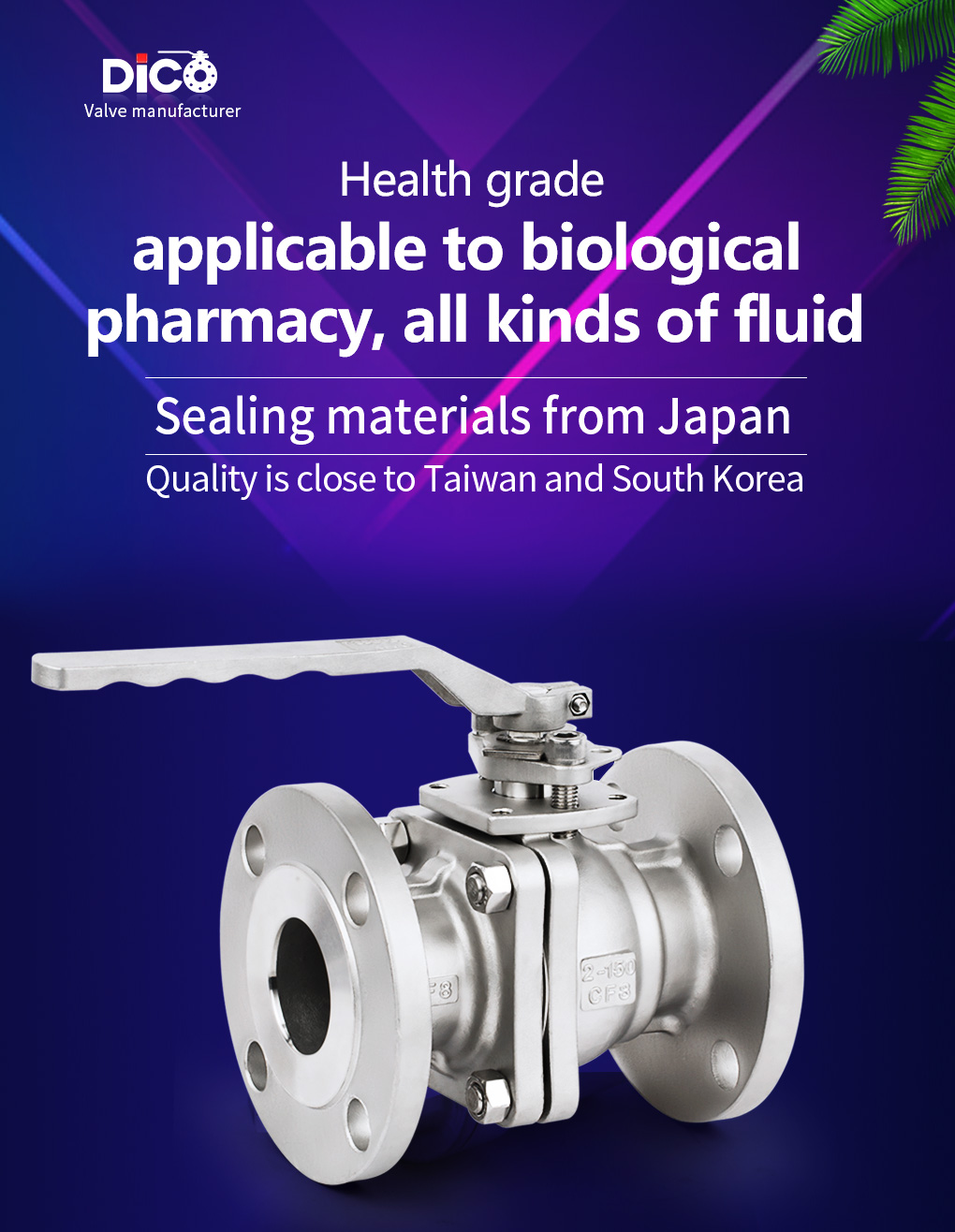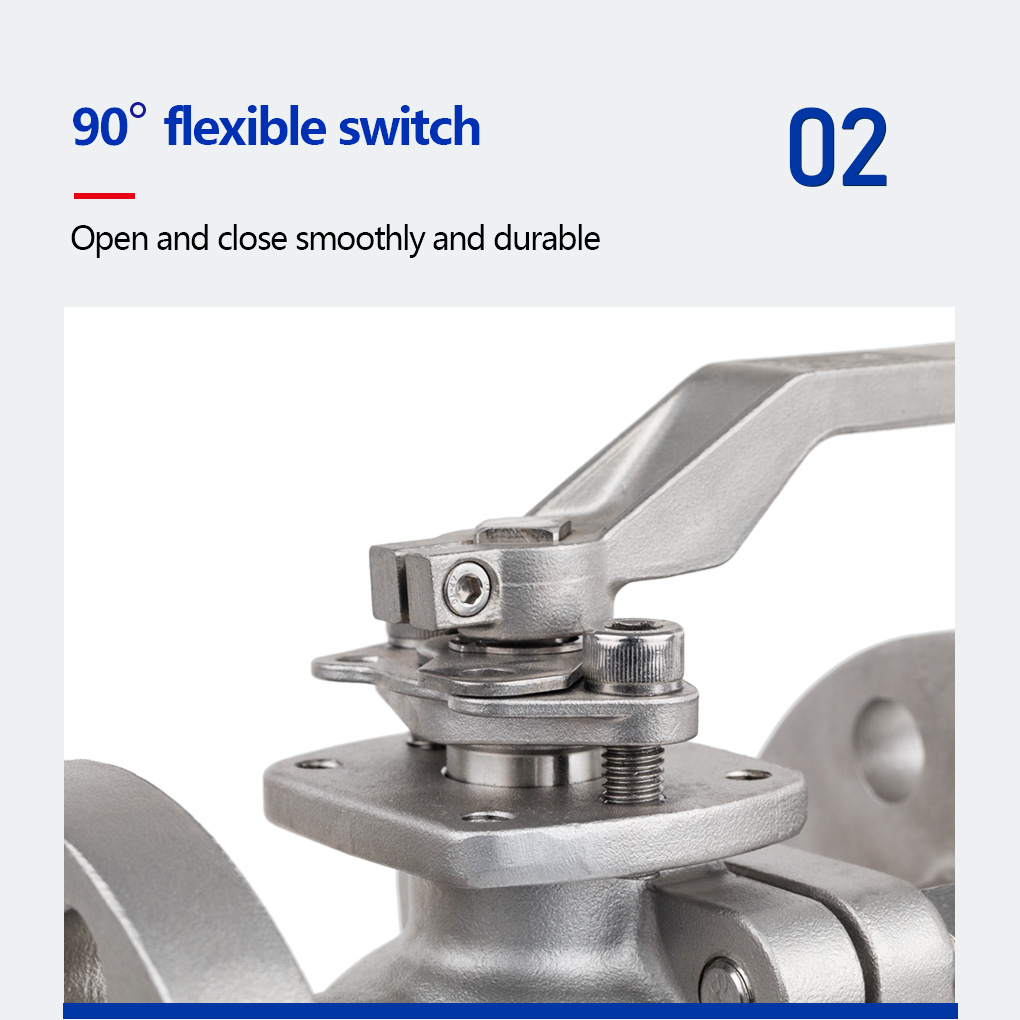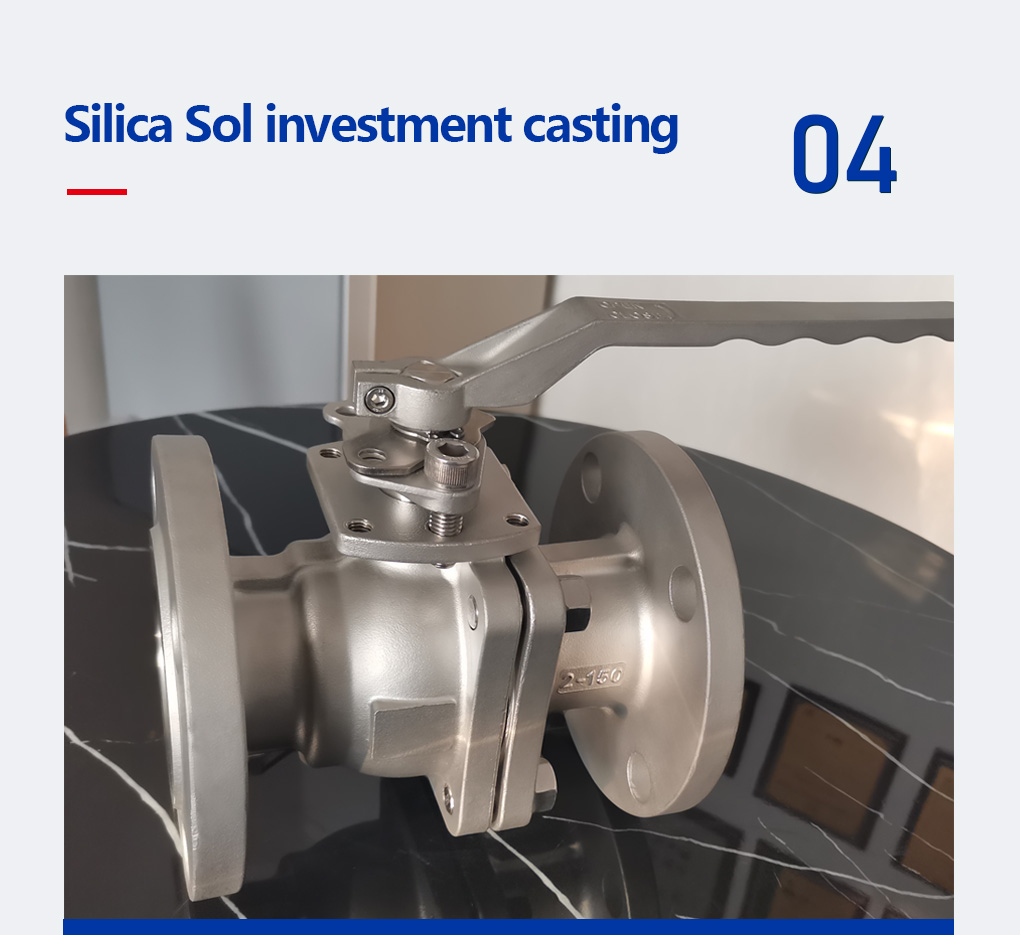
Ball valves are essential components in many industrial
applications, and they come in different types, including
hard and soft sealed ball valves. Both types have their unique
features and benefits, and understanding their differences
can help you choose the right valve for your specific needs.
Hard Sealed Ball Valves
Hard sealed ball valves, also known as metal seated
ball valves, have a metal-to-metal seal between the
ball and the valve body. The sealing surfaces are
made of hard materials such as stainless steel, tungsten
carbide, or ceramic. These valves are ideal for high-pressure
and high-temperature applications, where soft seals
would fail due to thermal expansion and contraction.
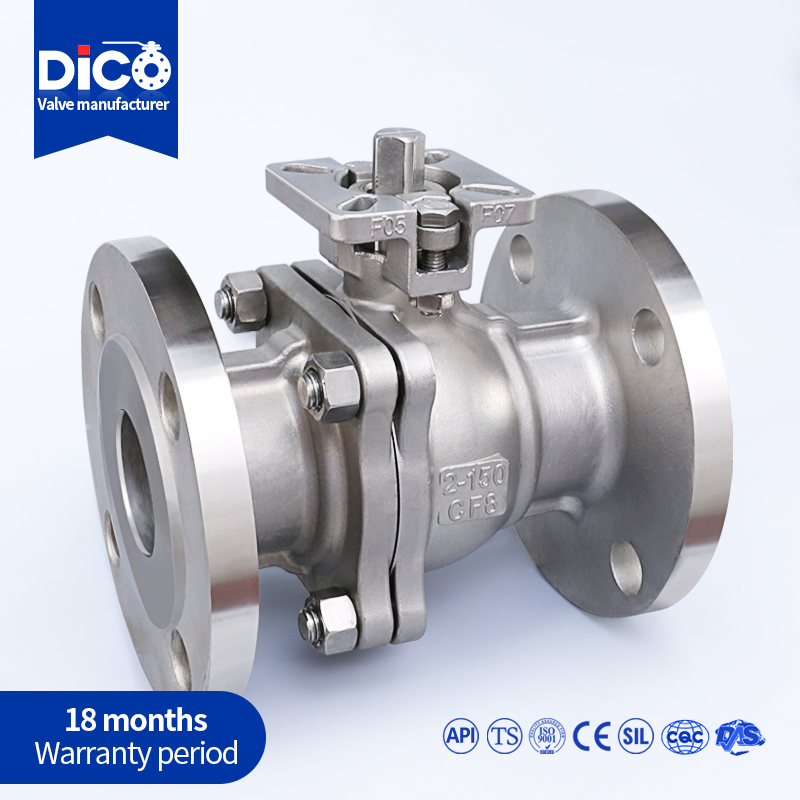
One of the main advantages of hard sealed ball valves
is their durability and resistance to wear and tear. They
can withstand abrasive and corrosive fluids, making
them suitable for harsh environments. Additionally,
they provide a tight shut-off, preventing leakage
and minimizing the risk of contamination.
However, hard sealed ball valves have some limitations.
They are not suitable for low-pressure applications, as
the metal-to-metal seal requires a certain amount of pressure
to create a tight seal. Moreover, they can be noisy during operation,
and their high torque requirements can increase the cost of actuation.
Soft Sealed Ball Valves
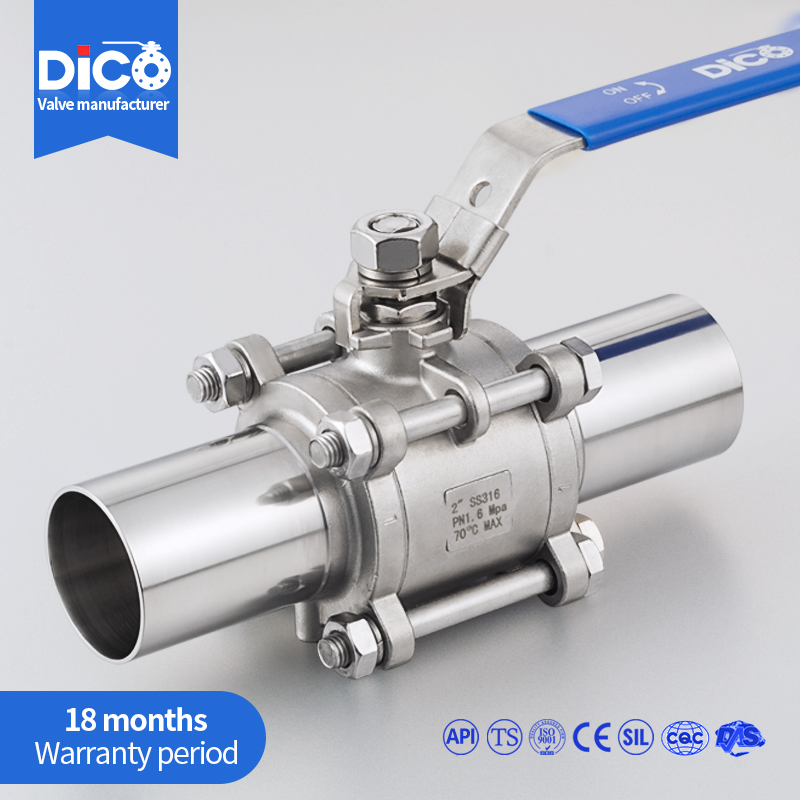
Soft sealed ball valves, also known as resilient seated ball valves,
have a soft seal between the ball and the valve body. The sealing
surfaces are made of materials such as PTFE, EPDM, or Viton,
which provide excellent sealing properties and chemical resistance.
These valves are ideal for low-pressure and low-temperature applications,
where tight shut-off and minimal torque requirements are essential.
One of the main advantages of soft sealed ball valves is their
low torque requirements, which reduce the cost of actuation and
prolong the lifespan of the valve. They are also quieter during
operation and provide a bubble-tight shut-off, preventing
leakage and minimizing the risk of contamination.
However, soft sealed ball valves have some limitations.
They are not suitable for high-pressure and high-temperature
applications, as the soft seals can deform or melt under extreme
conditions. Additionally, they are not as durable as hard sealed
ball valves and may require more frequent maintenance and replacement.
Conclusion
Choosing between hard and soft sealed ball valves depends
on your specific application requirements. Hard sealed ball
valves are ideal for high-pressure and high-temperature
applications, where durability and resistance to wear and
tear are essential. Soft sealed ball valves are ideal for
low-pressure and low-temperature applications, where
low torque requirements and tight shut-off are essential.
By understanding the differences between these two types
of ball valves, you can make an informed decision and
ensure the optimal performance of your system.
There are more details about API stainless steel ball valve,ANSI 2PC Flange ball valve,floating ball valve,WCB check valve,Globe valve
http://www.bossgoo.com/product-detail/ansi-stainless-steel-iso5211-pad-flange-61888053.html
http://www.bossgoo.com/product-detail/iso-pad-din-pn16-40-3pc-61900300.html
http://www.bossgoo.com/product-detail/wenzhou-stainless-steel-swing-check-valve-61781863.html
http://www.bossgoo.com/product-detail/water-treatment-bsp-industrial-s-type-61809004.html