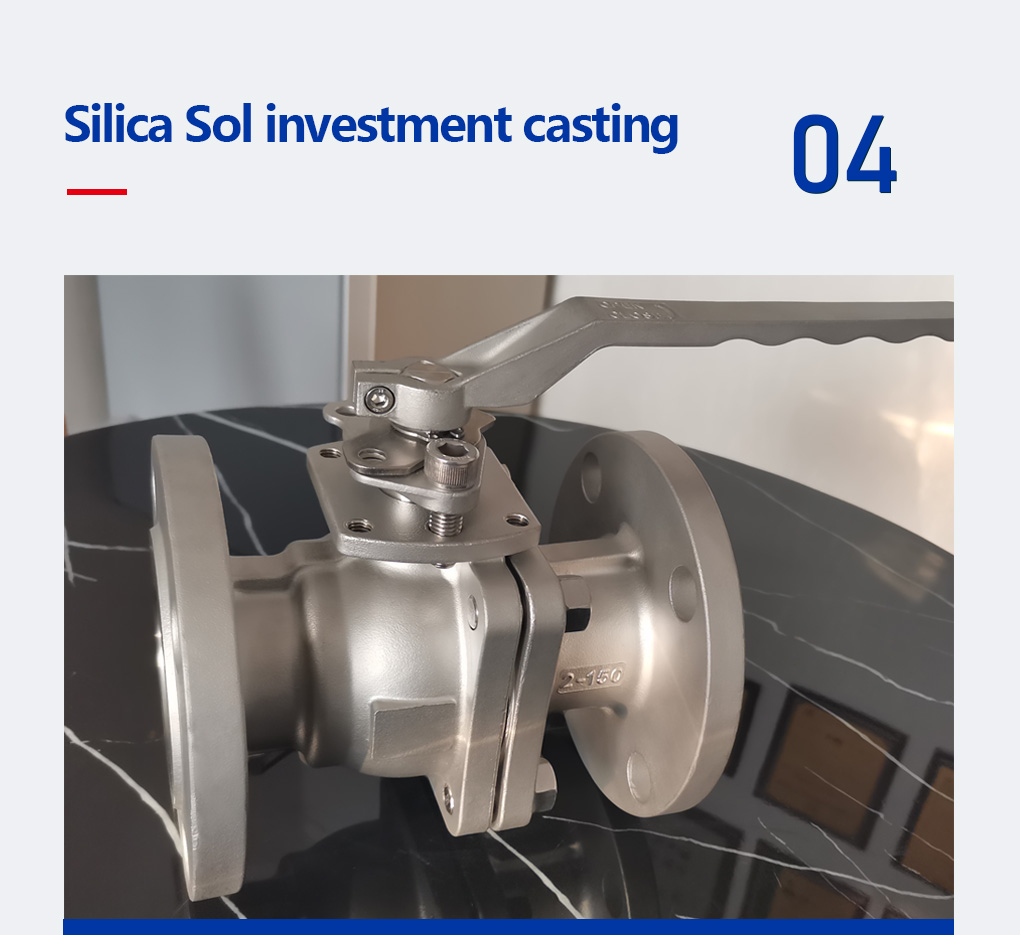
In the valve industry, leakage is a critical factor that can affect the overall
performance and safety of the system. Leakage refers to the amount of fluid
that escapes through the valve when it is closed. The leakage level of a valve
is determined by the amount of fluid that escapes per minute, and it is
measured in cubic centimeters per minute (cc/min).
There are several leakage levels that are commonly used in the valve
industry. These levels are designated by the American National Standards
Institute (ANSI) and the International Organization for Standardization (ISO).
The most commonly used leakage levels are Class I, Class II, Class III, Class IV, and Class V.
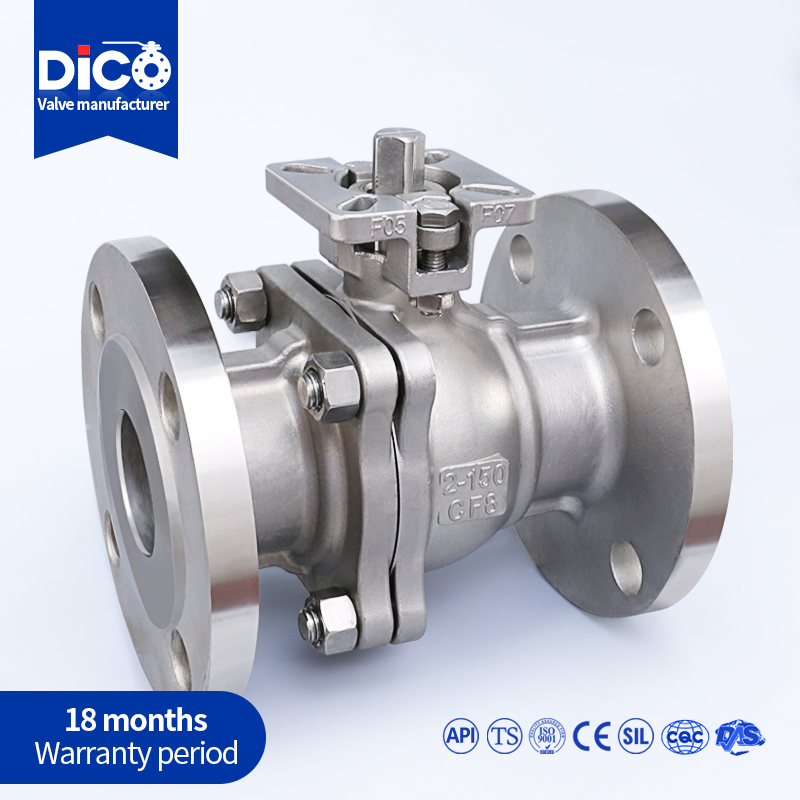
Class I leakage is the tightest level of leakage and is typically used in critical
applications where even a small amount of fluid leakage can cause significant
damage. This level of leakage is defined as less than 0.01 cc/min.
Class II leakage is slightly less tight than Class I and is typically used in
applications where a small amount of leakage is acceptable. This level
of leakage is defined as less than 0.1 cc/min.
Class III leakage is the most common level of leakage and is typically
used in applications where a moderate amount of leakage is acceptable.
This level of leakage is defined as less than 0.5 cc/min.
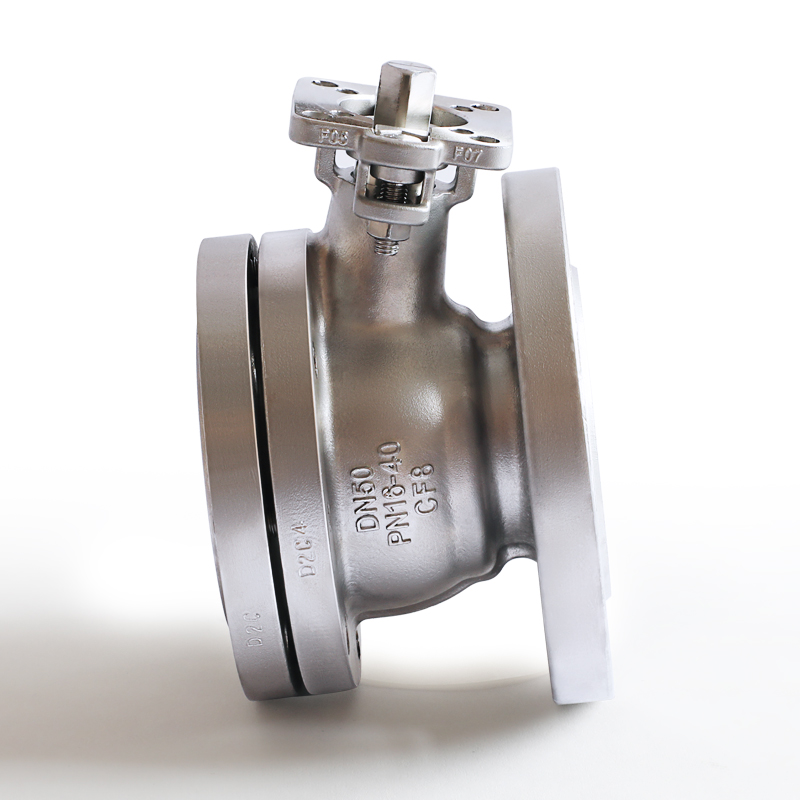
Class IV leakage is a higher level of leakage and is typically used in
applications where a higher amount of leakage is acceptable.
This level of leakage is defined as less than 1 cc/min.
Class V leakage is the highest level of leakage and is typically used
in applications where a significant amount of leakage is acceptable.
This level of leakage is defined as less than 6 cc/min.
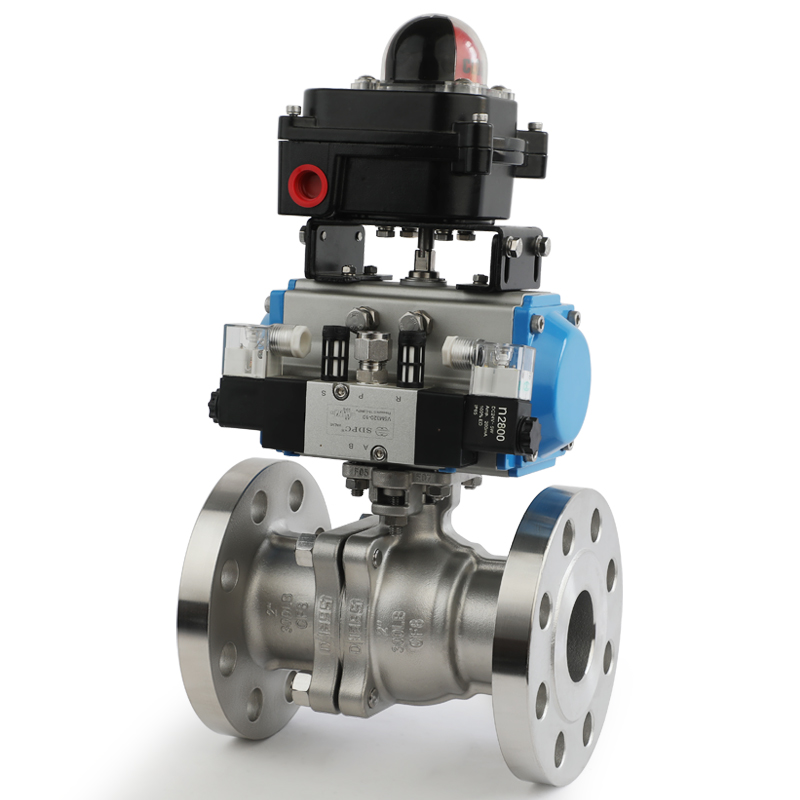
It is important to note that the leakage level of a valve can be affected
by several factors, including the type of fluid being used, the pressure
and temperature of the system, and the design of the valve itself. Therefore, it is
important to select the appropriate leakage level based on the specific application and system requirements.
In conclusion, the leakage level of a valve is a critical factor that can
affect the overall performance and safety of the system. By understanding
the different leakage levels and selecting the appropriate level for each
application, engineers and operators can ensure that their systems operate safely and efficiently.
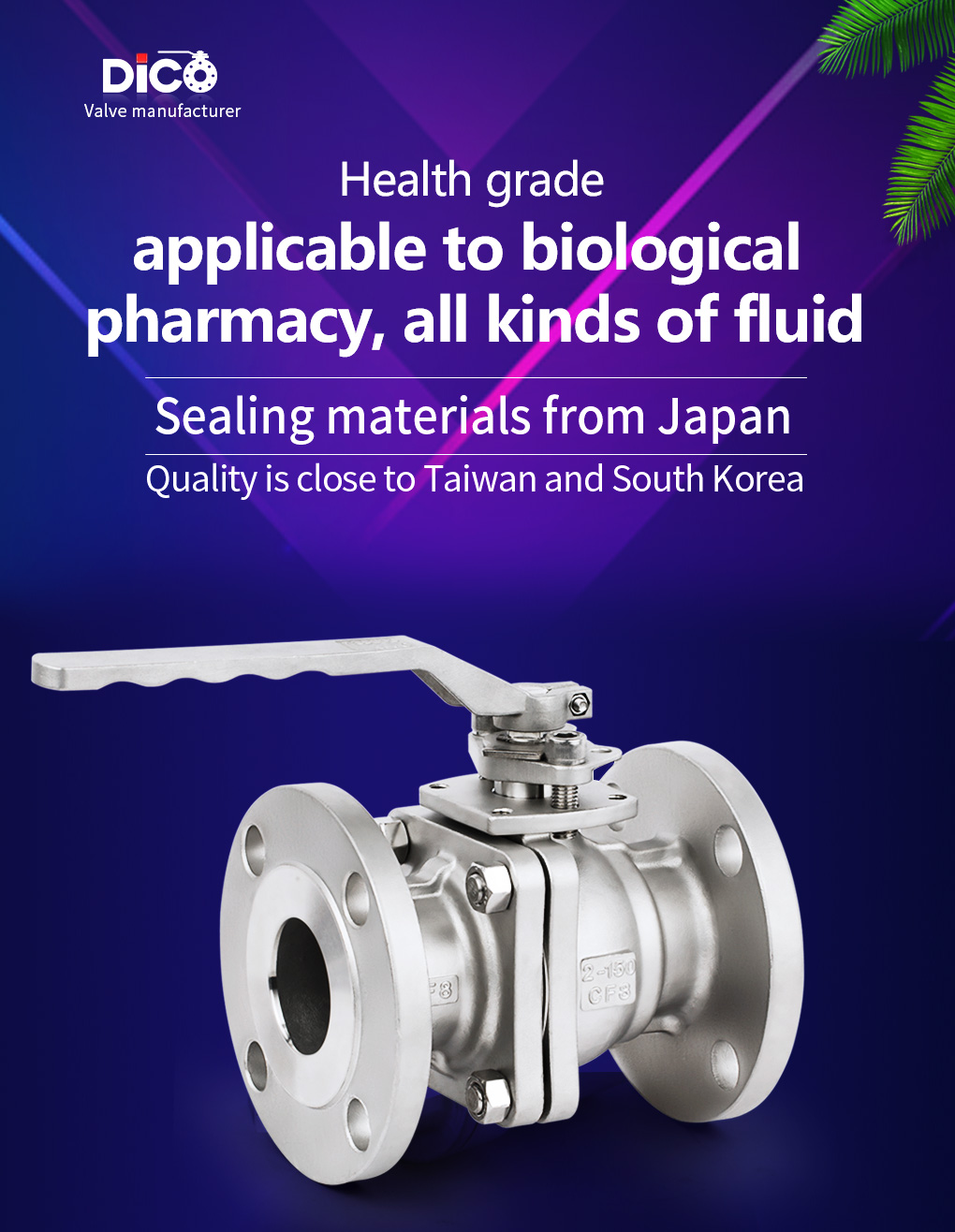
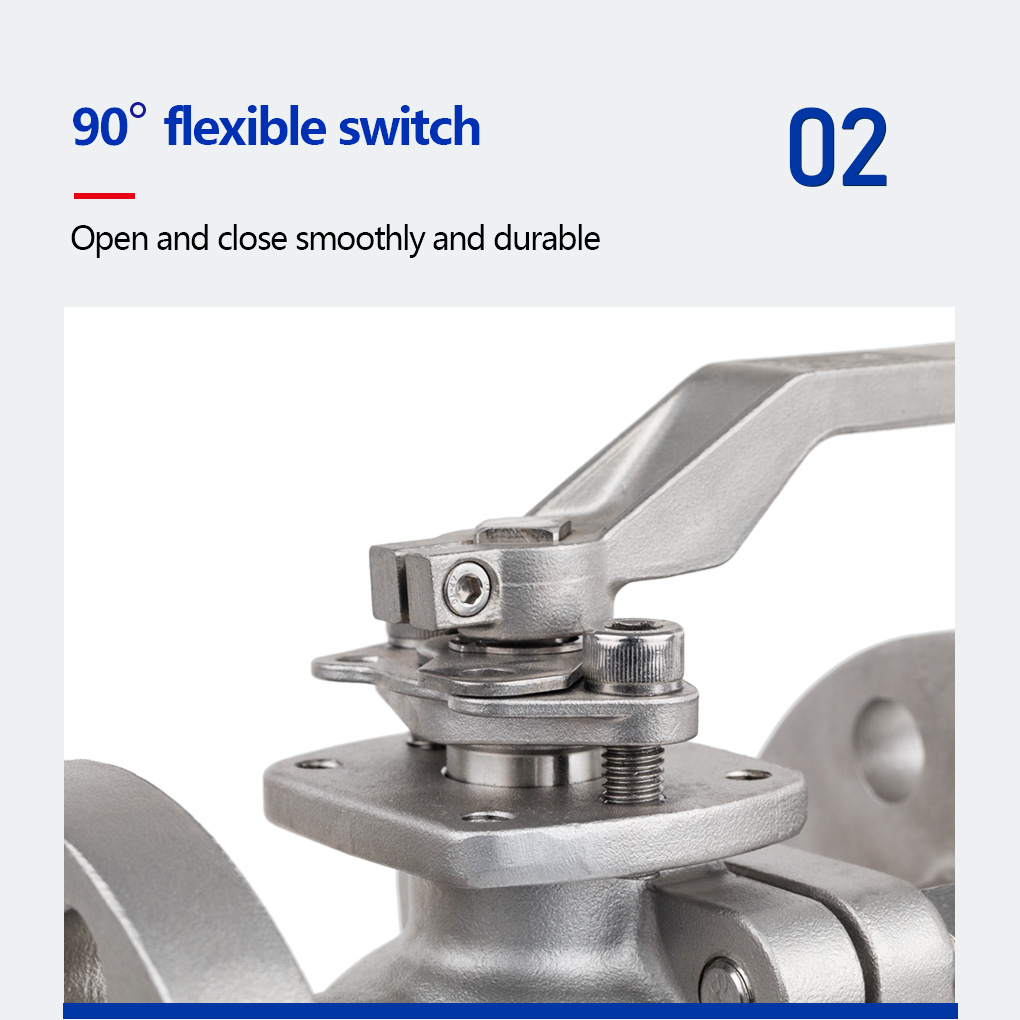
There are more details about API stainless steel ball valve,ANSI 2PC Flange ball valve,floating ball valve,WCB check valve,Globe valve
http://www.bossgoo.com/product-detail/ansi-stainless-steel-iso5211-pad-flange-61888053.html
http://www.bossgoo.com/product-detail/iso-pad-din-pn16-40-3pc-61900300.html
http://www.bossgoo.com/product-detail/wenzhou-stainless-steel-swing-check-valve-61781863.html
http://www.bossgoo.com/product-detail/water-treatment-bsp-industrial-s-type-61809004.html