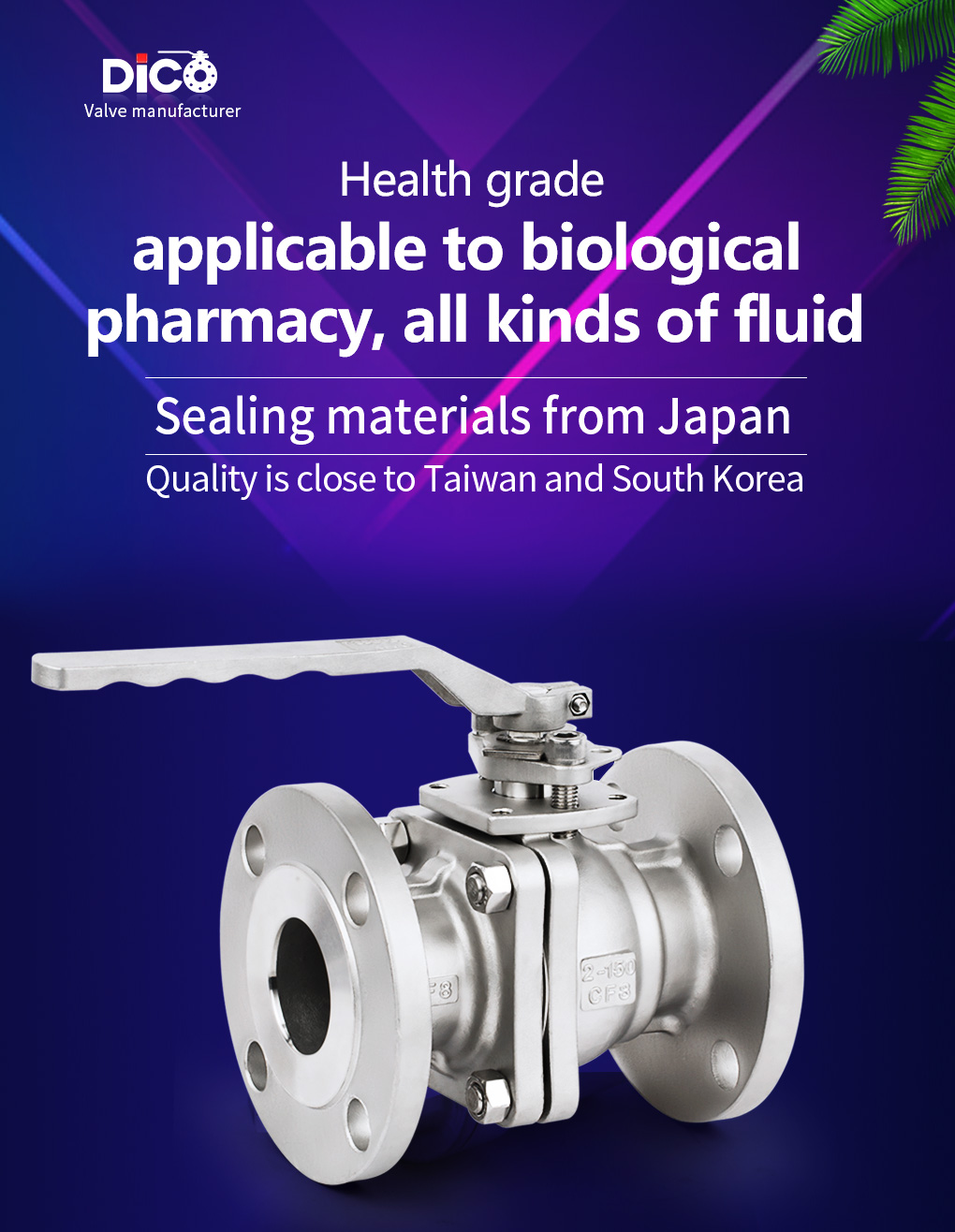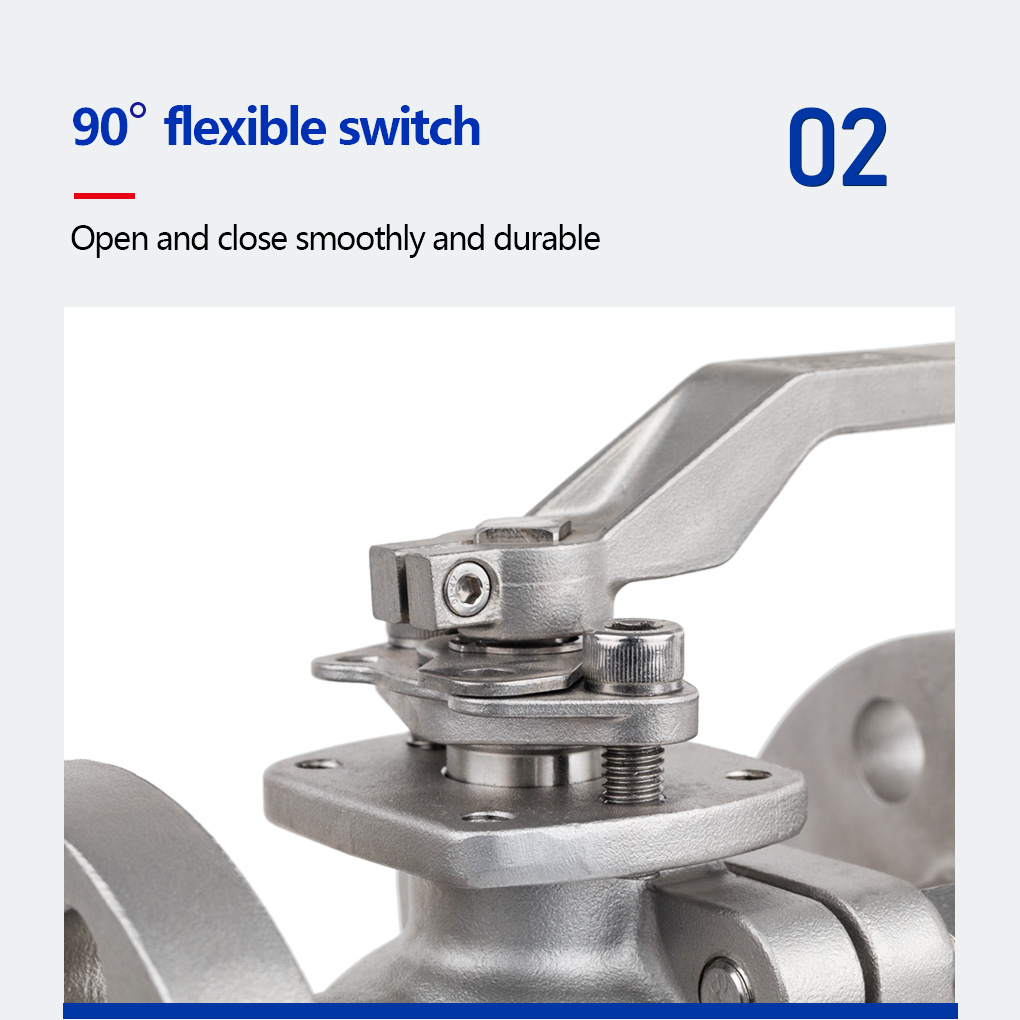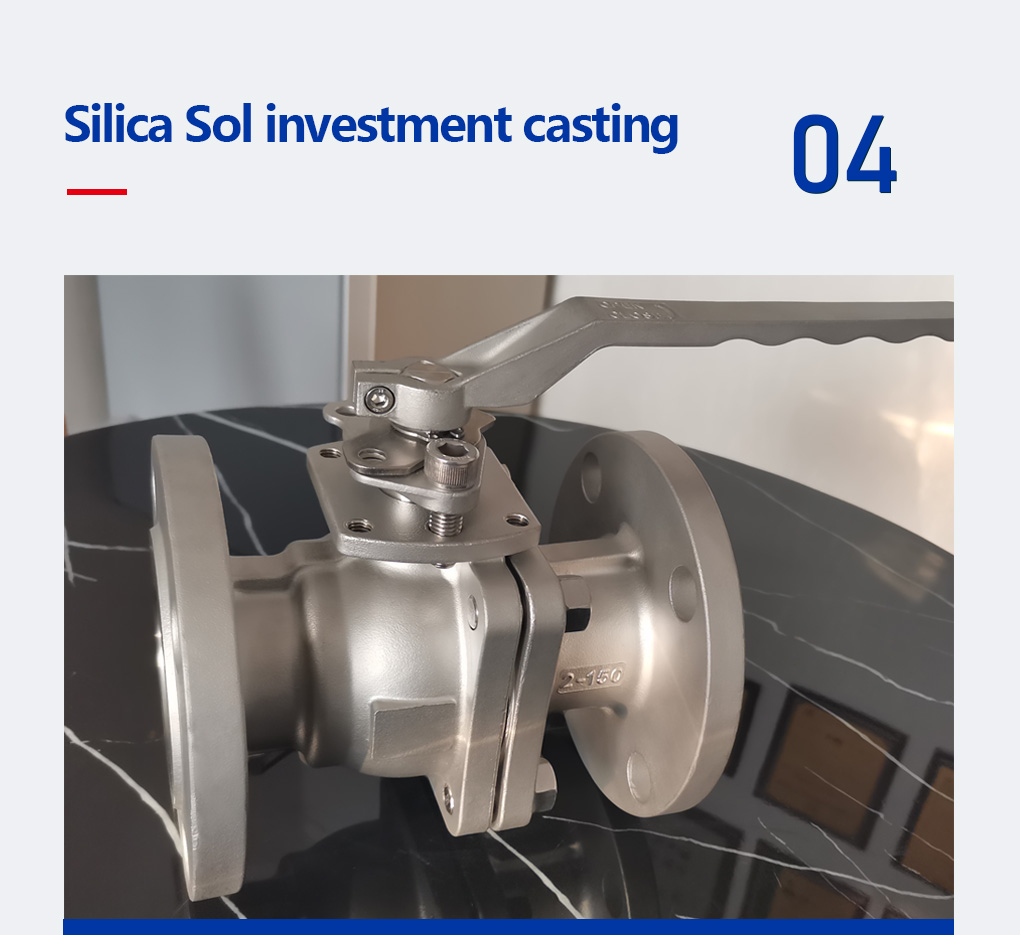
Valves are essential components in various industries, including oil and gas,
chemical, and water treatment. They regulate the flow of liquids and gases,
ensuring the smooth operation of industrial processes. Valves can be made
using different casting processes, each with its unique advantages and disadvantages.
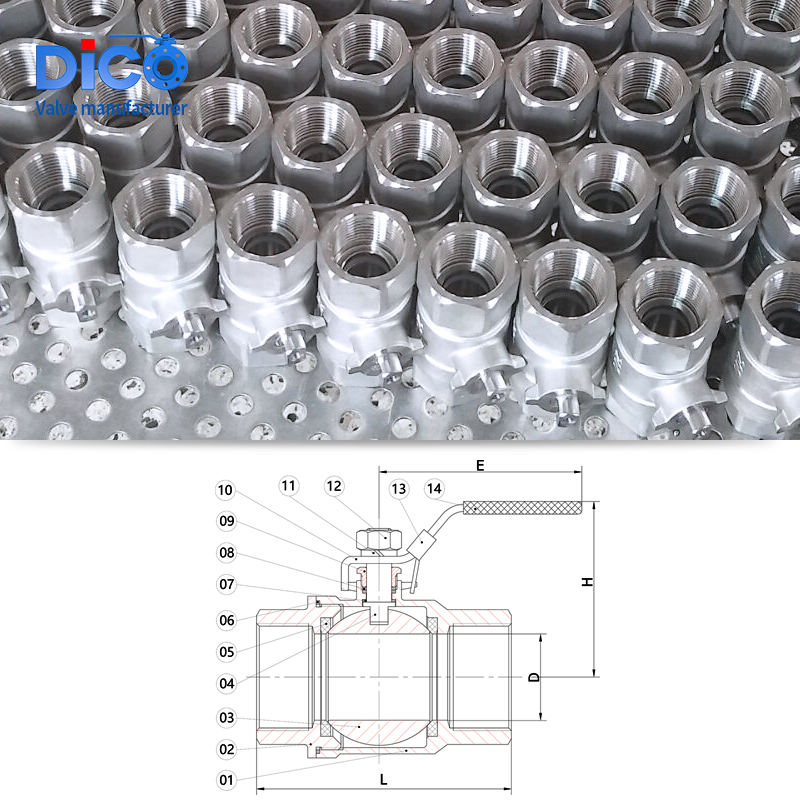
The first casting process used for valves is sand casting. It involves creating
a mold using sand and then pouring molten metal into the mold. Sand casting
is a cost-effective method, and it can produce valves of different sizes and
shapes. However, the surface finish of the valve may not be smooth,
and there may be some porosity in the casting.
Another casting process used for valves is investment casting. It involves
creating a wax pattern of the valve and then coating it with a ceramic shell.
The wax is then melted, leaving a hollow ceramic shell that is filled with
molten metal. Investment casting produces valves with a smooth surface
finish and minimal porosity. However, it is a more expensive process than sand casting.
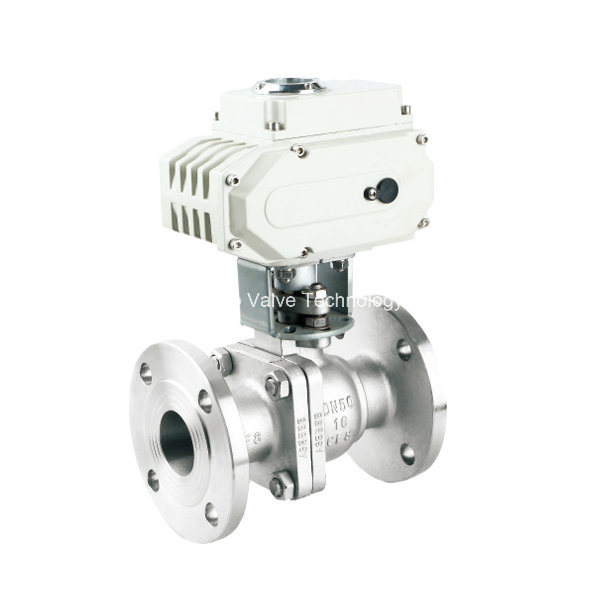
Die casting is another casting process used for valves. It involves injecting
molten metal into a mold under high pressure. Die casting produces valves
with a high level of accuracy and a smooth surface finish. However, it is a
more expensive process than sand casting and investment casting.
The choice of casting process for valves can have an impact on the
performance and durability of the valve. For instance, sand casting
may produce valves with some porosity, which can affect the valve's
ability to regulate the flow of fluids. Investment casting produces valves
with a smooth surface finish, which can reduce the risk of corrosion
and wear. Die casting produces valves with a high level of
accuracy, which can improve the valve's performance.
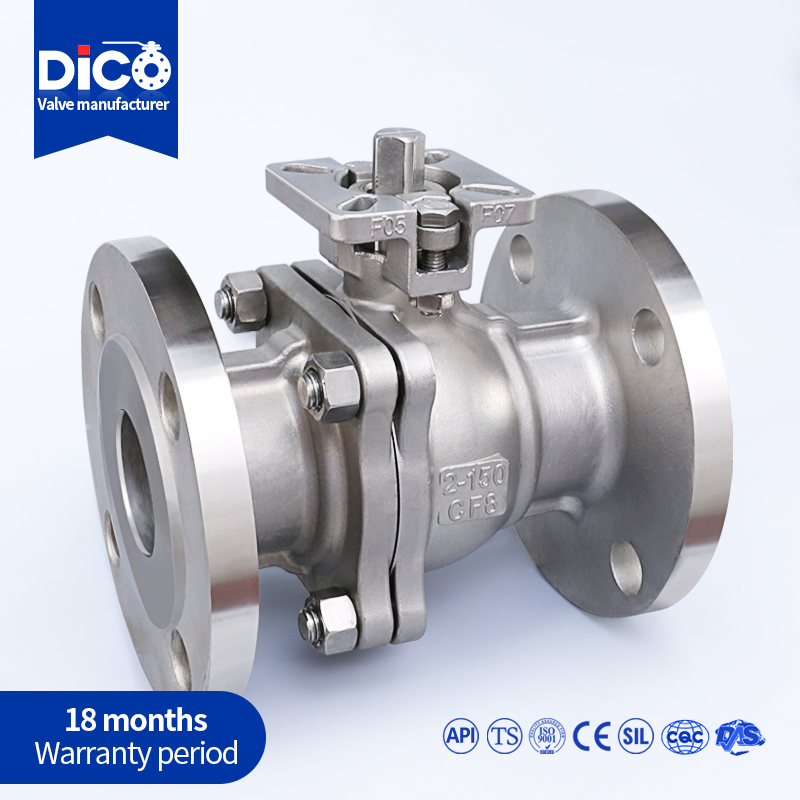
In conclusion, valves can be made using different casting processes,
each with its unique advantages and disadvantages. The choice
of casting process can have an impact on the performance
and durability of the valve. Therefore, it is essential
There are more details about API stainless steel ball valve,ANSI 2PC Flange ball valve,floating ball valve,WCB check valve,Globe valve
http://www.bossgoo.com/product-detail/ansi-stainless-steel-iso5211-pad-flange-61888053.html
http://www.bossgoo.com/product-detail/iso-pad-din-pn16-40-3pc-61900300.html
http://www.bossgoo.com/product-detail/wenzhou-stainless-steel-swing-check-valve-61781863.html
http://www.bossgoo.com/product-detail/water-treatment-bsp-industrial-s-type-61809004.html